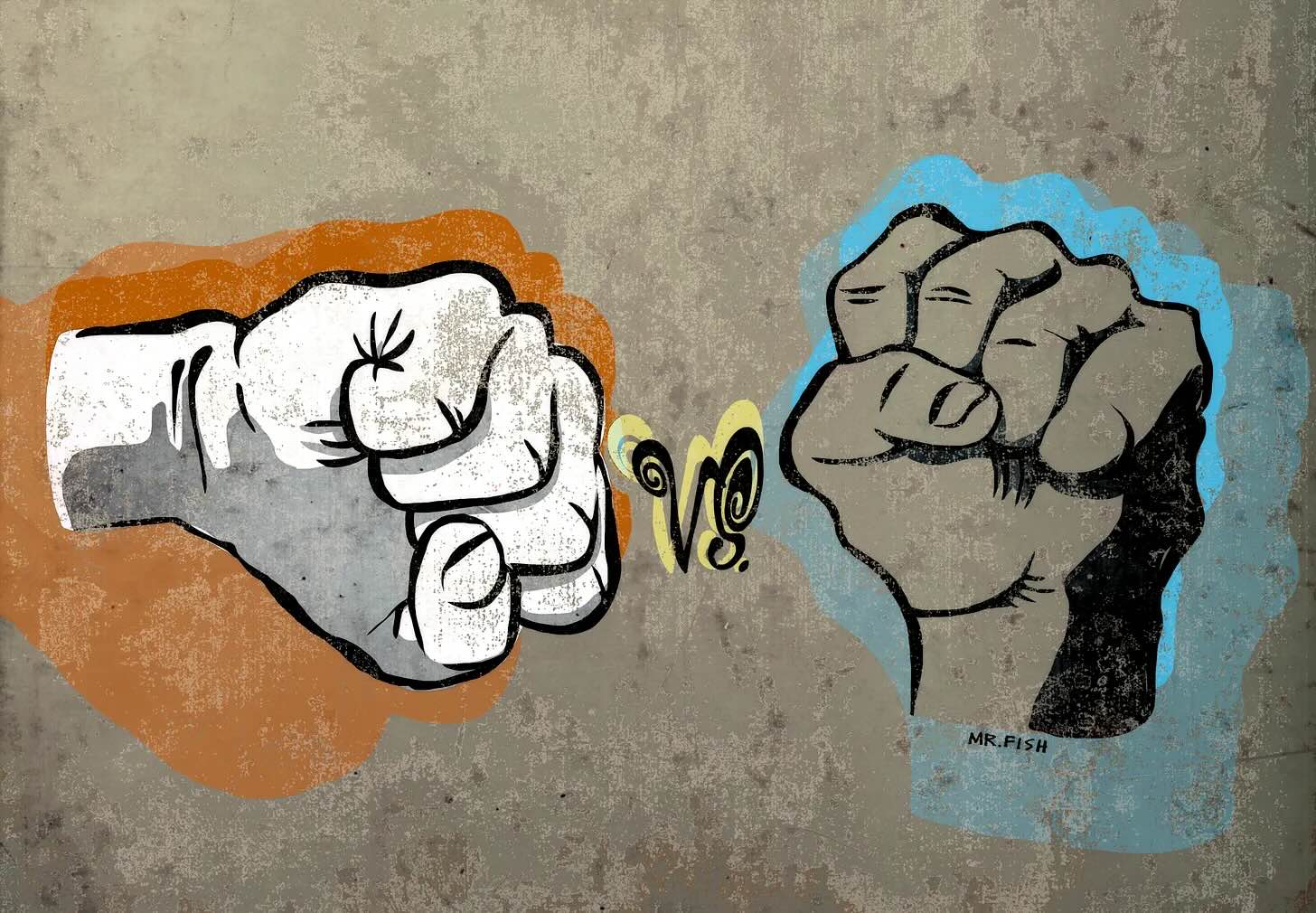
We face a choice. Tyranny or revolution.
CHRIS HEDGES
JUN 01, 2026
MEXICO CITY — There are two ways to confront global capitalism. There are mass movements, especially strikes, which disrupt commerce and government to force the ruling class to create systems of justice and equality — albeit ones where capitalists retain significant power.
The National Coordinator of Education Workers in Mexico (CNTE) — a grassroots union created in 1979 by dissident teachers — is currently attempting this in Mexico. It announced that if its demands for salary increases and job security are not met it will occupy public spaces and shut down the World Cup soccer matches scheduled to take place later this month in Mexico City.
When the teachers went on strike in the Mexican city of Oaxaca in 2006, following the incarceration and disappearances of union leaders, police fired on the protesters. The community rose up and drove the police out of the city. Oaxaca established an autonomous anarchist commune for several months. Although the commune was ultimately crushed by the Mexican government, the uprising spawned popular assemblies, independent media and empowered indigenous communities.
The second way to destroy capitalism is through the nationalization of industries and banks and the seizure of capitalist assets, although this can give rise to an equally pernicious form of state capitalism. This radical route entails, as in the Russian or Cuban revolutions, violence. Capitalists do not part with their monopolies on wealth and power peacefully. They orchestrate severe state and vigilante violence. They install dictators and fascists who abolish civil liberties, carry out mass arrests and criminalize even the most tepid forms of dissent.
Accommodating capitalists and their institutions, even with high taxation, regulation, strong labor laws and a prohibition of monopolies, means living amid a hostile force. It is a matter of time before this hostile force organizes to dismantle the social democratic state as happened in Sweden, Britain and Salvador Allende’s Chile.