Ellen Brown
SEPTEMBER 2, 2026
In August 2026, the U.S. debt reached a gravity-defying $40 trillion, with an estimated fiscal year 2026 deficit of $2.1 trillion. Interest on the debt hit a record $1.4 trillion over the last 12 months and now consumes more than any federal program except Social Security and Medicare, eclipsing defense spending for the first time in U.S. history. Paid with borrowed money, interest compounds exponentially, making it the fastest-growing part of the budget, far outpacing economic growth. By 2036, the Congressional Budget Office projects interest costs will double to $2.1 trillion, with debt held by the public reaching 120 percent of GDP. The CBO director has declared the trajectory to be “not sustainable.”
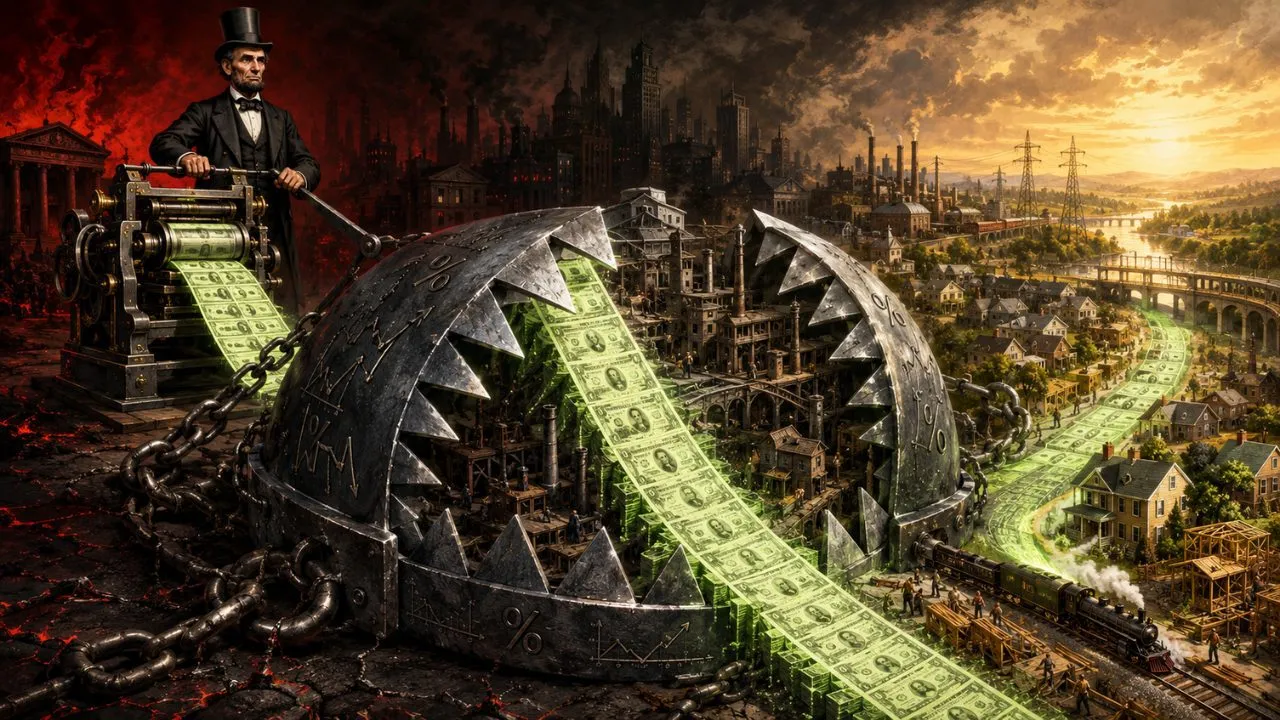
Increasingly, prominent analysts are saying the United States will have to “print” its way out. But using whose printing press, printing what?
Today “printing” normally means Federal Reserve monetization (Quantitative Easing or QE). The Treasury first issues debt – bills, bonds and notes – which are sold by primary dealers on the open market. If there are insufficient buyers, the Fed as “lender of last resort” may buy the securities with “reserves” created with accounting entries in bank reserve accounts. But Fed Chair Kevin Warsh is trying to reduce the Fed’s balance sheet by selling federal securities, not buy them. And even if the Fed did engage in QE, it would not work today to reduce the debt or the interest. The Fed is required to return its profits to the Treasury after deducting its costs, but ever since 2008 it has paid the banks interest on their reserve balances (IORB) as a policy tool to control inflation; and since 2022, the total sum the Fed has paid in IORB has been higher than the interest it received from the Treasury on its securities. The net result is that instead of the Fed remitting profits to the Treasury, the Treasury now owes the Fed money to cover the gap in IORB, increasing the federal debt and the interest bill. The Fed printing press is running, but it is running in the wrong direction.
Meanwhile, $4.1 trillion USD in marketable federal securities are maturing this year; and many are long-dated bonds yielding low interest, for which there are insufficient buyers. So the Treasury under Scott Bessent has had to take over the business of buying them, using funds raised by selling short-dated Treasuries for which there is a ready market. Some commentators are calling this “Treasury QE,” but the policy is not pumping new Treasury dollars into the market. Other commentators say the buyback expansion is more like the Fed’s earlier “Operation Twist” — just an asset swap, old debt for new.
An August 22, 2026 article in Forbes compares the effect of Fed and Treasury bond purchases like this:
“Under quantitative easing, the Fed buys Treasury securities and pays for them by crediting the reserve accounts of banks.… Base money, the sum of currency and those reserve balances, expands one for one with the purchase.
Treasury has no such keystroke ability. It spends out of the Treasury General Account, its checking account at the Fed, and every dollar in that account got there through taxes or borrowing. “